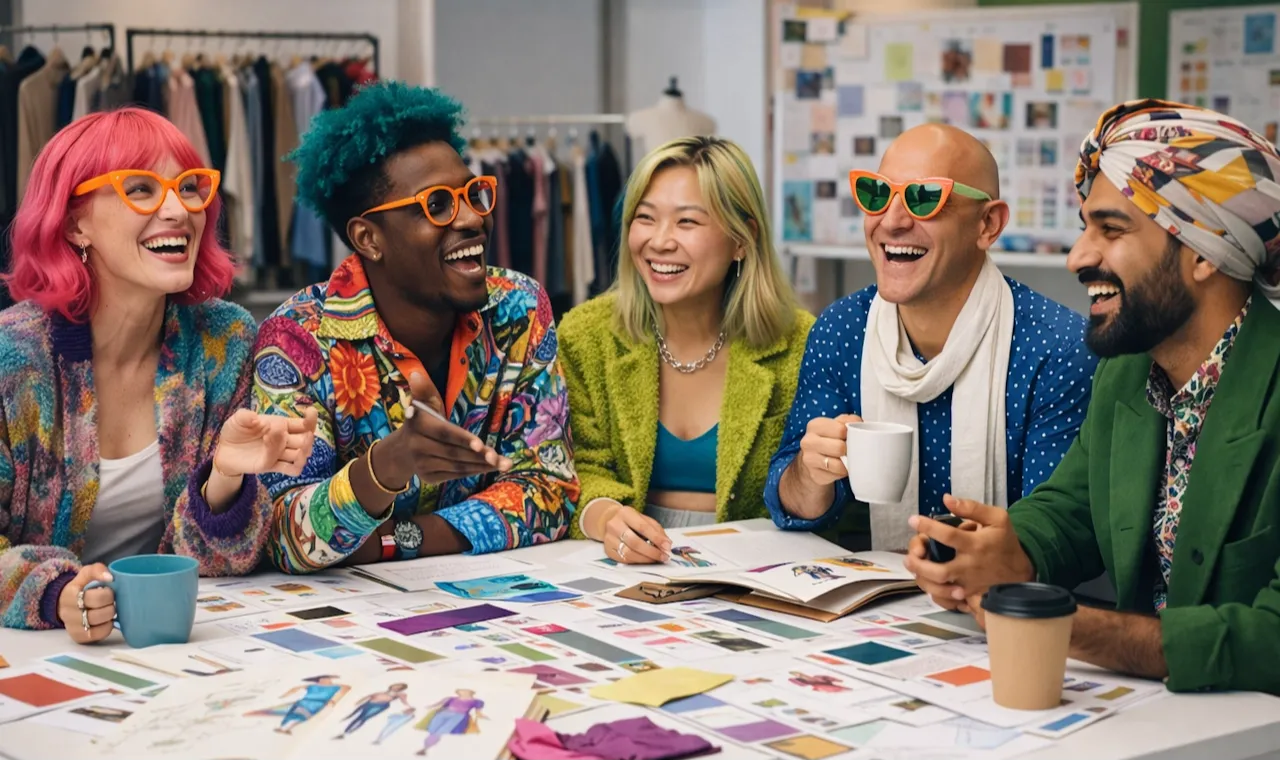
Is AI a Threat or a Transformation for Fashion Professionals?
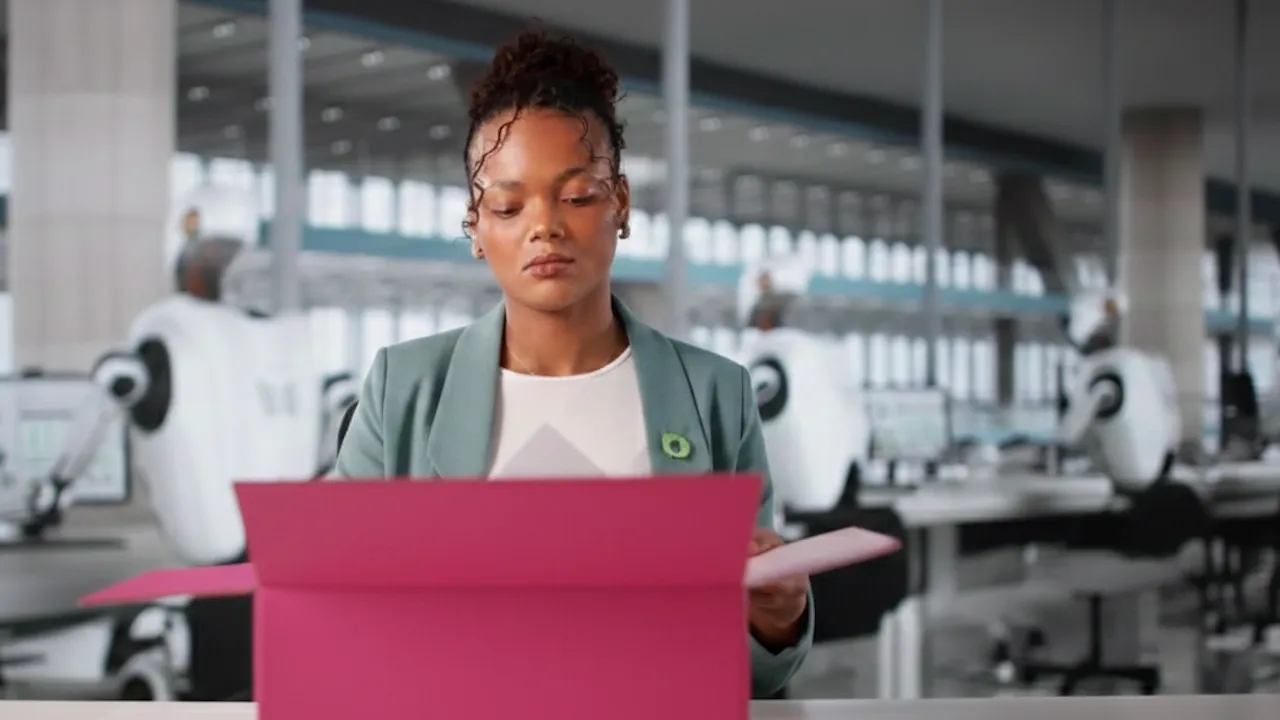
Artificial Intelligence (AI) is no longer a buzzword confined to tech blogs; it’s already reshaping the global fashion industry from design studios to digital storefronts. But what does this mean for professionals whose careers were built on expertise, intuition, and creativity?
And do traditional educational paths from online courses to executive coaching still matter, or are they becoming obsolete?
The Current AI Landscape in Fashion
AI is being applied across the entire fashion value chain:
-
Marketing and Content Creation: Major retailers like Zalando have dramatically shortened campaign development timelines by using generative AI to produce imagery and creative assets, cutting costs and boosting responsiveness to fast-moving trends.
-
Design and Visual Innovation: Brands such as Zara generate fashion imagery with real-life models using AI, speeding up product visualisation while still involving human creative direction.
-
Trend Forecasting & Analytics: Companies deploy AI models to sift through massive amounts of data, predicting trends, analysing customer behaviour, and informing merchandising decisions.
-
Retail & Personalisation: AI-driven recommendations, personalisation engines and virtual try-ons enhance consumer experience and can improve inventory decisions and customer loyalty.
This demonstrates that AI is not just augmenting human work, it’s becoming a strategic asset across creative, technical and business functions.
Are Fashion Experts at Risk?
Not in the simplistic “AI will replace humans” sense, but there is real disruption happening, particularly for roles tied to repetitive or data-heavy tasks:
-
Creative professionals now work alongside machines that can generate hundreds of design iterations or campaign visuals within minutes, something previously unimaginable.
-
Traditional photography and content production roles are evolving as the industry's use of AI reduces lead times and costs.
-
Even roles like merchandising and trend forecasting, once purely human-powered, are now infused with data science and machine learning analysis.
However, the human element is still indispensable. Strategic vision, nuanced cultural context, storytelling, material expertise, and moral judgment remain areas where human professionals excel and where AI cannot (yet) replace deep expertise.
Why Education & Expertise Development Still Matters
Fashion professionals who simply “know fashion” but don’t understand AI’s implications may find their roles marginalised over time. Institutions and companies are already hiring lecturers and experts to teach AI in Fashion Product Development and Merchandising, signalling that education must evolve.
AI fluency is no longer optional; it must be part of professional development, whether for:
-
Designers who want to integrate AI tools into their creative workflows.
-
Marketing leaders who need data-driven personalisation strategies.
-
Retail executives who must orchestrate AI-enhanced customer experiences.
-
Lecturers and educators rethinking curricula for future professionals.
What Types of Courses Will Be Needed in 5–10 Years
To prepare truly future-ready fashion professionals, a new generation of educational formats and curricula should be developed. Here’s what those could look like:
1. Executive Masterclasses in AI Strategy for Fashion
For senior professionals and C-suite executives. Focus:
-
AI transformation frameworks for business functions (marketing, supply chain, merchandising).
-
Leadership in tech adoption and cross-team innovation.
-
Ethical, sustainability and governance implications of AI in fashion.
Think AI for Fashion Executive Master's-type programs geared toward leaders who make decisions, not just tools.
2. AI-Augmented Creative Direction & Design Labs
For designers, stylists, and creative directors. Focus:
-
Co-creation with generative tools (e.g., MidJourney, Runway, StyleGAN).
-
AI-enhanced ideation, mood boards and prototype simulations.
-
Storytelling through data-informed aesthetics.
This goes beyond mere tool tutorials; it reframes design as a hybrid human-AI collaboration.
3. Data Science & Consumer Insight for Fashion Marketers
For digital marketers and retail strategists. Focus:
-
Predictive models for trend forecasting and customer segmentation.
-
Personalisation and recommendation systems.
-
AI-powered campaign optimisation.
These skills ensure marketing leaders are not reliant on external vendors but can interpret and lead data-driven decisions internally.
4. AI in Merchandising & Supply Chain Innovation
For merchandisers and retail operations managers. Focus:
-
Demand prediction and inventory optimisation.
-
Smart pricing and assortment planning with machine learning.
-
Sustainability metrics and waste reduction strategies.
Retail and logistics functions are becoming increasingly automated professionals must understand, not just oversee these systems.
5. Ethics, Sustainability & Legal Frameworks in Fashion AI
For academic institutions, lecturers, policymakers, and curriculum developers. Focus:
-
Bias and ethical design in AI systems.
-
Sustainability implications of automated production.
-
Privacy, data governance and cultural sensitivity.
AI is powerful, but misused AI can harm reputation, innovation, integrity and brand trust.
Our Conclusion: The Future of Fashion Still Belongs to People
AI is changing how the fashion industry works; that much is clear. It can move faster, process more, and open up possibilities that didn’t exist a few years ago.
But fashion has never been just about speed or systems. It’s about taste, culture, judgment, and knowing what feels right before the data proves it.
The professionals who will thrive aren’t the ones who try to outpace AI they’re the ones who learn how to work alongside it. Designers who use it to explore ideas, educators who use it to rethink how they teach, and leaders who use it to make better decisions without losing their human perspective.
At We Teach Fashion, we believe the next chapter of the industry won’t be written by machines. It will be shaped by people who stay curious, keep learning, and are willing to evolve as the industry does.
The tools will change.
The thinking still belongs to you.
Not Sure Where to Start?
Most of the educators I speak to have been thinking about this for longer than they'd like to admit. If that's you, a 30-minute conversation is often all it takes to get some clarity. I'll talk through your idea, your concerns, and whether now is the right time to move forward.
Thinking About Building an Online Course?
We write regularly about the real decisions involved in turning fashion expertise into online learning, what works, what doesn't, and what most people underestimate before they start. If you're considering this seriously, sign up and we'll send you practical, honest guidance as we publish it.
No noise. Just useful thinking for fashion professionals who are ready to do this properly.
We hate SPAM. We will never sell your information, for any reason.
Author