Pull Up a Chair: Why Fashion Education Needs Community, Not Just Courses
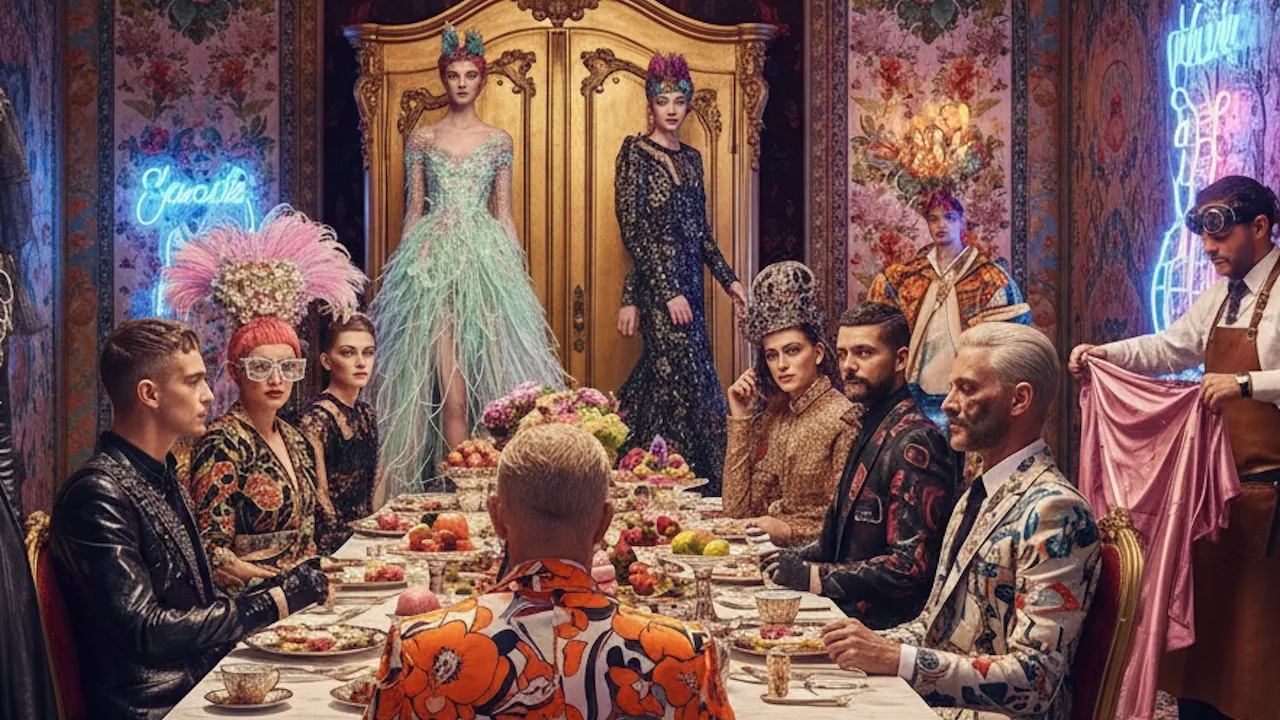
Later in this post, I’ll tell you what really happened when I tried to build “community” using LinkedIn groups. Let’s just say it felt less like a dynamic fashion studio and more like hosting a dinner party where everyone RSVPs and nobody turns up.
But before we go there, let’s talk about what community actually means in fashion education today, and why it’s quietly becoming the difference between a course people genuinely grow with, and one they leave sitting on their digital shelf, right next to that folder labelled “Inspiration” that never gets opened again.
Something has shifted.
The way people learn and connect in fashion doesn’t feel transactional anymore. Beautiful videos and perfectly designed lessons still matter, but on their own they’re starting to feel a bit like serving a stunning meal… in an empty room with no guests.
What learners really seem to want now is a table they can sit at.
- A place where they can show half-finished work without feeling like they’ve just walked a runway in their pyjamas.
- A place where they can ask questions that start with, “This might be a silly one, but…” and get real answers.
- A place where building a career doesn’t feel like a solo night shift in a studio with only a cold coffee for company.
If you’re a coach, educator, or course creator in the fashion space, this isn’t a passing phase. It’s a quiet signal. The people who listen to it tend to build brands that feel less like online shops and more like creative salons, places people actually enjoy coming back to.
Fashion has always been something you learn alongside other people, not in isolation.
Design, pattern cutting, illustration, branding, all of it grows through showing, testing, adjusting, and trying again. When learners have a space to share their work and hear, “Have you tried this?” instead of just their own inner critic, something changes. They stay longer. They take more creative risks. They improve faster.
There’s also the very human side of it.
Many fashion professionals today are freelance, self-taught, or working outside traditional institutions. That freedom is exciting, but it can also be isolating. Some days, the only feedback you get is from your own reflection in the mirror, and it’s not always in a generous mood.
A great community doesn’t just teach skills. It gives people a sense that they’re part of something bigger than their next project, next client, or next invoice. In an industry built on expression and storytelling, that feeling of belonging carries real weight.
Trust grows in those spaces, too.
Anyone can sell a course. What people stay for is the relationship. When students can talk to you and to each other, you stop being “the person who made the content” and start becoming someone they trust to guide them through the messy, creative middle.
That shows up in simple ways. People stick around. They come back. They recommend you. Sometimes enthusiastically. Occasionally over dinner, which feels very on-theme for this image!
Over time, your brand starts to feel less like a logo and more like a living room. Or, if we’re staying in the spirit of this photo, a slightly extravagant dining hall where ideas, opinions, and half-formed concepts are all welcome at the table.
The good news is that the technology is no longer the hard part.
Platforms like Circle, Skool, Mighty Networks, and Kajabi make it relatively easy to bring lessons, discussions, and live sessions into one space. You don’t need a technical team or a secret handshake. The real work is how you show up and a bit of care in designing the experience for the people inside it.
There’s also a practical reason to think this way.
Social platforms change their rules as quickly as fashion trends. Algorithms shift. Reach drops. AI search decides whether you exist or not. When you build a community you actually own, you’re not as exposed to those changes. It’s the difference between borrowing someone else’s studio and having the keys to your own.
Which brings me neatly to LinkedIn groups.
I’ve joined plenty. I run a few. And in most cases, they end up feeling like beautifully named rooms where the lights are on, the chairs are out… and everyone is still standing in the hallway.
Part of it is the platform. LinkedIn isn’t really built for slow, thoughtful conversations. Notifications get missed. Everything lives under the main feed, which is more catwalk than café.
People log in to post, scroll, and move on. Not to pull up a chair and stay a while.
Another part is leadership. Good communities don’t just exist. They’re hosted.
Without a clear purpose, gentle prompts, or moments that bring people together, energy fades. Posts go unanswered. People quietly forget they ever joined.
The strongest communities I’ve seen, especially for educators and course creators, aren’t just social. They’re intentional. There’s a shared direction. A feeling that everyone is moving toward something together, not just exchanging business cards in digital form.
That’s why we decided to take this off LinkedIn and open the doors to the We Teach Fashion community.
The idea isn’t to create another group to join and forget about. It’s to build a space for fashion subject experts who are curious about turning what they know into courses, coaching, and digital products and want to explore that alongside others asking the same questions.
If that sounds like your kind of table, you’re welcome to pull up a chair and join for free. We’d genuinely like to see what you bring into the room.
And just to leave you with this.
If you’re creating courses in fashion, your content matters. But information on its own rarely changes people for long.
Connection does.
A good community helps people learn faster, stay longer, and trust deeper. And for you, it creates something far more resilient than a single product, platform, or launch.
Because the future of fashion education isn’t just courses.
It’s courses with a seat at the table. Are you ready?
Not Sure Where to Start?
Most of the educators I speak to have been thinking about this for longer than they'd like to admit. If that's you, a 30-minute conversation is often all it takes to get some clarity. I'll talk through your idea, your concerns, and whether now is the right time to move forward.
Thinking About Building an Online Course?
We write regularly about the real decisions involved in turning fashion expertise into online learning, what works, what doesn't, and what most people underestimate before they start. If you're considering this seriously, sign up and we'll send you practical, honest guidance as we publish it.
No noise. Just useful thinking for fashion professionals who are ready to do this properly.
We hate SPAM. We will never sell your information, for any reason.
Author